

Blast chilling is a revolutionary technology that has transformed food preservation and safety in both commercial kitchens and home settings. This method rapidly cools food products, significantly slowing bacterial growth and maintaining quality. Understanding how blast chilling works, its diverse applications, and the various available types can help professionals and enthusiasts alike make better decisions regarding food storage and preparation.
Understanding the Basics of Blast Chilling
Blast chilling involves rapidly cooling food to a low temperature that is safe from bacterial growth but not so cold as to freeze it. This process typically brings the temperature of food down to 3°C or lower within a very short period, generally within 90 minutes. The main benefit of this method is its ability to drastically reduce the likelihood of bacterial proliferation, which is common in the temperature range from 8°C to 68°C, known as the “danger zone.”
Another advantage of blast chilling is the preservation of the quality of food. Rapid cooling prevents the formation of large ice crystals, which can damage cell structure and result in a loss of texture and flavor. This is particularly crucial for delicate foods like seafood, desserts, and cooked meats. Preserving food at its peak freshness ensures that it retains its texture, flavor, and nutritional value when reheated or consumed later.
Moreover, blast chilling contributes to waste reduction. In commercial settings like restaurants and cafeterias, it allows chefs to prepare food in advance without sacrificing the quality. This not only improves the efficiency of kitchen operations but also reduces food waste, as the preserved food maintains its desirability for longer periods.
The Versatile Uses of Blast Chillers
Blast chillers are not only pivotal in commercial kitchens but also increasingly popular in domestic settings. In restaurants, they are used to cool large quantities of hot food quickly, which is essential for meeting food safety standards and enhancing the workflow by allowing for advanced meal preparation. They are particularly useful during large-scale catering events where time and quality are of the essence.
Beyond the professional kitchen, blast chillers serve a crucial role in specialized applications such as in pharmaceuticals and technology. They are used for rapid cooling of components and chemicals that are sensitive to high temperatures. This versatility highlights the broad utility of blast chillers beyond just food preservation.
Furthermore, blast chillers are an excellent tool for creative culinary applications like rapid setting of jellies or quick cooling of confectionary items. They offer pastry chefs and confectioners the ability to hasten the preparation process while ensuring product consistency and quality. This can lead to innovation in recipe development and presentation.
Categories and Selection of Blast Chillers
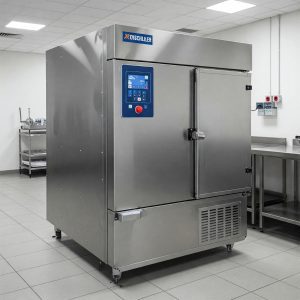
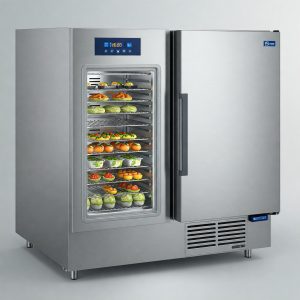
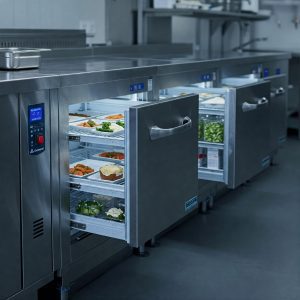
When selecting a blast chiller, it’s vital to consider the specific needs of the venue or application. Blast chillers come in various sizes and capacities, from small under-counter models suitable for small cafes or home use, to large walk-in chillers designed for high-volume food processing environments. Each category serves distinct purposes and is tailored to different scales of operation.
Additionally, certain blast chillers offer advanced features such as programmable settings, which allow users to control and automate the chilling process according to the specific types of food being cooled. This customization helps in achieving optimal results and can significantly impact the efficiency of food preparation and preservation.
Lastly, when choosing a blast chiller, one must consider factors such as energy efficiency, space requirements, and budget. Modern chillers are designed to be more energy-efficient, which not only lowers operational costs but also supports sustainability. Therefore, balancing these factors with the specific chilling needs of your operation will lead to the best equipment choice.
In conclusion, blast chilling is a versatile and efficient technique that offers numerous benefits across various industries, from culinary arts to pharmaceuticals. By understanding the basics, recognizing their broad uses, and selecting the right type based on specific needs, users can maximize the benefits of blast chillers. These devices not only enhance food safety and quality but also contribute significantly to operational efficiency and waste reduction. Whether for commercial or personal use, investing in a suitable blast chiller can be a worthwhile decision that pays dividends in quality and safety.
Need More Help?
If your issue isn’t covered above, use our AI Diagnostic Assistant — a smart tool by CoolFix that helps you troubleshoot refrigeration problems quickly.
For professional repairs or maintenance, you can book an engineer visit with CoolFix London anywhere in the UK.